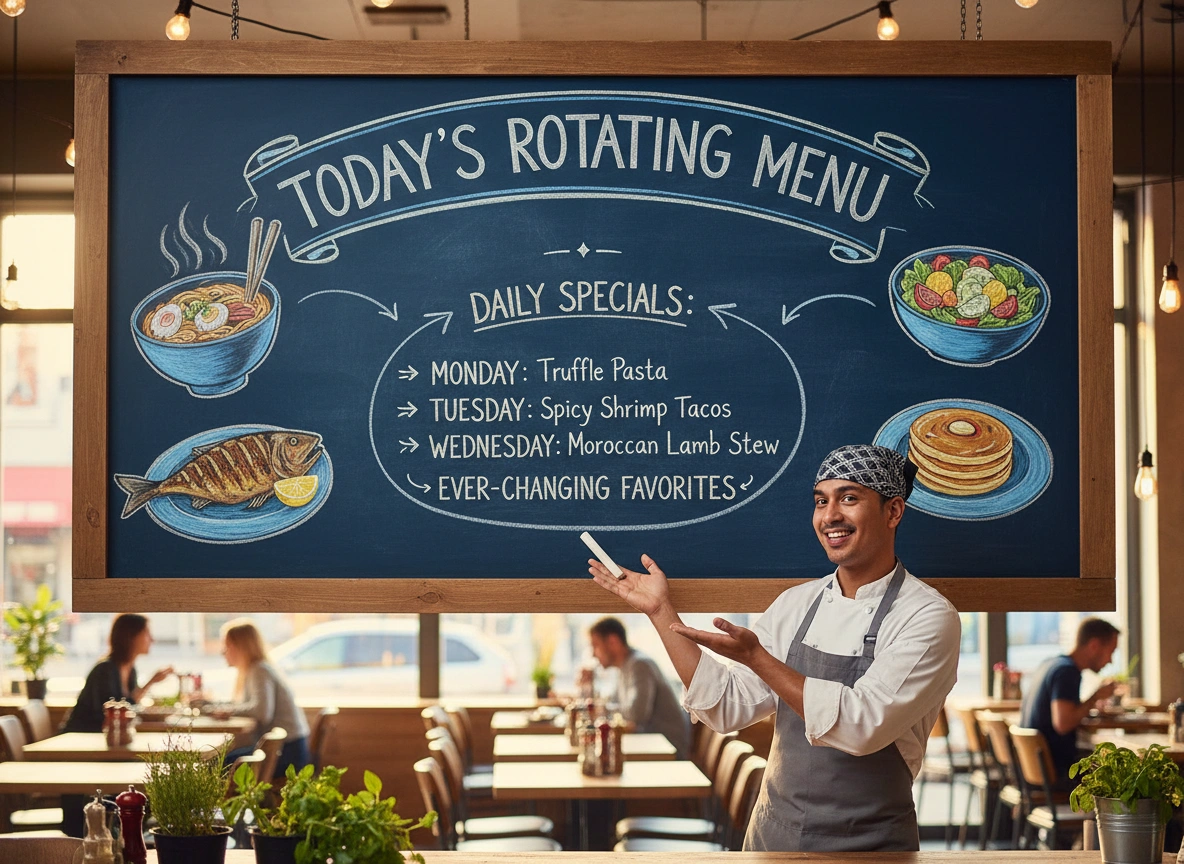
A static menu offers comfort and reliability. Customers know what to expect, and your kitchen staff can perfect each dish with repetition. Yet, in a competitive restaurant landscape, comfort can quickly turn into boredom. A rotating menu, on the other hand, injects a sense of novelty and anticipation into the dining experience. It transforms a simple meal into an event, encouraging repeat visits and fostering a dynamic relationship between your restaurant and its patrons.
This article explores the significant benefits of adopting a rotating menu. We will cover how this strategy can boost customer engagement, improve your bottom line, and provide a creative outlet for your culinary team. We will also look at practical tips for implementation and how to overcome common challenges, providing you with a roadmap to successfully refresh your offerings.
What is a Rotating Menu?
A rotating menu is a dynamic collection of dishes that changes at regular intervals. Unlike a fixed menu that remains the same for months or even years, a rotating menu might change daily, weekly, monthly, or seasonally. This approach allows a restaurant to feature fresh, seasonal ingredients, test new culinary concepts, and respond to changing customer preferences.
There are several ways to structure a rotating menu:
- Seasonal Rotation: The entire menu or a significant portion of it changes four times a year to align with the seasons. This is one of the most popular and practical approaches.
- Weekly or Monthly Specials: The core menu remains largely the same, but a special section rotates weekly or monthly, offering new appetizers, entrées, or desserts.
- Chef’s Tasting Menu: A prix-fixe menu that changes frequently, often daily, based on the chef’s inspiration and the best ingredients available that day.
- Thematic Rotation: The menu changes based on a specific theme, such as a regional cuisine, a specific ingredient, or a holiday.
By implementing any of these models, you create a compelling reason for customers to return. They are not just coming back for a favorite dish; they are coming back to see what’s new.
The Advantages of a Dynamic Menu Strategy
Switching from a static to a rotating menu can feel like a significant undertaking, but the rewards can transform your business. The benefits extend beyond the plate, influencing everything from customer loyalty to operational efficiency.
Sparking Customer Excitement and Loyalty
The most powerful benefit of a rotating menu is its ability to generate buzz. Regulars and new customers alike are intrigued by the promise of discovery. This sense of anticipation can turn a passive customer into an active brand advocate.
When customers know your menu changes, they have a reason to follow you on social media, sign up for your newsletter, and check your website frequently. Each menu update is a new marketing opportunity. You can build campaigns around upcoming seasonal ingredients or a new themed menu, creating a continuous conversation with your audience. This strategy fosters a loyal community of diners who feel like they are part of an exclusive culinary journey.
Maximizing Seasonal and Local Ingredients
A rotating menu gives you the flexibility to build your offerings around the freshest ingredients available. Cooking with the seasons has several key advantages:
- Superior Flavor: Ingredients harvested at their peak are more flavorful and vibrant. A sun-ripened summer tomato or a crisp autumn apple simply tastes better, elevating the quality of your dishes.
- Reduced Costs: Sourcing in-season produce is often more cost-effective. When an ingredient is abundant, its price drops. This allows you to manage food costs more effectively and potentially improve your profit margins.
- Supporting Local Economy: A seasonal menu naturally lends itself to partnerships with local farmers and suppliers. This not only provides you with the freshest possible ingredients but also creates a compelling story that resonates with customers who value sustainability and community support.
Empowering Your Culinary Team
A static menu can lead to creative stagnation in the kitchen. Chefs and line cooks who prepare the same dishes day after day can lose their passion and inspiration. A rotating menu, however, turns the kitchen into a creative laboratory.
It challenges your culinary team to experiment with new techniques, ingredients, and flavor combinations. This creative freedom can boost morale, reduce staff turnover, and attract top talent. When your team is excited about the food they are creating, that passion translates directly to the plate, enhancing the overall dining experience for your guests. It also provides an excellent training ground for junior chefs to develop their skills.
Reducing Food Waste and Improving Inventory Management
A rotating menu can be a powerful tool for controlling food costs and minimizing waste. By designing your menu around ingredients you have on hand or can source advantageously, you gain greater control over your inventory.
For example, if you have an excess of a particular vegetable, your chef can create a special dish to feature it, ensuring it gets used before it spoils. This agile approach to menu planning prevents waste and protects your bottom line. It also allows you to test the popularity of certain ingredients on a small scale before committing to them on a more permanent menu.
Tips for Implementing a Successful Rotating Menu
Transitioning to a rotating menu requires careful planning and execution. Here are some practical tips to ensure a smooth and successful rollout.
Start Small and Scale Up
You do not need to overhaul your entire menu overnight. A gradual approach is often more manageable and less risky. Start by introducing a “Weekly Specials” board or a small, rotating section on your existing menu. This allows you to gauge customer response and gives your kitchen team time to adapt to the new workflow.
For example, you could offer one rotating appetizer, one entrée, and one dessert. Track sales data for these items to see what resonates with your customers. As you gain confidence and gather feedback, you can gradually expand the rotating portion of your menu.
Plan Your Rotations Strategically
Consistency is key, even with a changing menu. Decide on a rotation schedule and stick to it. Whether you change items weekly, monthly, or seasonally, make sure your customers know what to expect. A seasonal approach is often the easiest to plan for, as it provides a natural framework for your culinary calendar.
Map out your menus several months in advance. This gives you time to source ingredients, develop and test recipes, train your staff, and plan your marketing campaigns. While leaving room for spontaneous “market specials” is a good idea, having a solid plan will prevent last-minute chaos.
Market Your Menu Changes Effectively
A rotating menu is a powerful marketing asset, but only if you promote it. You need to build excitement and inform your customers about what’s new.
- Leverage Social Media: Post high-quality photos and videos of your new dishes. Use Instagram Stories to show behind-the-scenes footage of your chefs developing new recipes. Create posts announcing the “last call” for a popular seasonal item to create a sense of urgency.
- Update Your Website: Your online menu should always be current. Nothing disappoints a customer more than arriving with their heart set on a dish they saw online, only to find it is no longer available.
- Train Your Front-of-House Staff: Your servers are your front-line ambassadors. Ensure they have tasted the new dishes and can speak knowledgeably and passionately about them. They should be able to explain the ingredients, preparation methods, and suggest pairings.
Keep a Few Fan Favorites
While novelty is the main attraction of a rotating menu, a sense of familiarity is also important. Identify a few “signature” dishes that your regulars love and keep them on the menu year-round. These core items provide an anchor for your brand and a reliable choice for less adventurous diners.
This hybrid approach offers the best of both worlds: the excitement of the new and the comfort of the familiar. It ensures you are catering to a broader range of customer preferences.
Overcoming Potential Challenges
Implementing a rotating menu is not without its challenges. Common hurdles include increased demands on the kitchen, potential for inconsistent execution, and the risk of alienating customers who miss their favorite dishes. However, with foresight and proper management, these can be overcome.
A key solution is thorough staff training and standardized recipes for each new item. Documentation and practice are essential to ensure every plate meets your quality standards. To manage customer expectations, communicate your menu philosophy clearly. Explain why you rotate dishes—to use fresh, seasonal ingredients—and listen to feedback. If a particular rotating item is overwhelmingly popular, consider bringing it back as a special or even adding it to your core menu.
By embracing a dynamic menu strategy, you position your restaurant as an innovative and exciting destination. You create a reason for customers to return again and again, eager to discover what new culinary delights you have in store. A rotating menu is more than just a list of dishes; it is a statement about your commitment to quality, creativity, and an exceptional guest experience.
Please visit this website for more info.