The mobile application market is a titan of the digital economy, and for iOS developers, the gateway to this world is the Apple Developer Account. This account is the literal key to the App Store kingdom, allowing creators to publish, manage, and monetize their applications. However, acquiring an account directly from Apple can sometimes be a hurdle for developers due to regional restrictions, verification delays, or specific business needs. This has given rise to a secondary market where existing Apple Developer accounts are bought and sold.
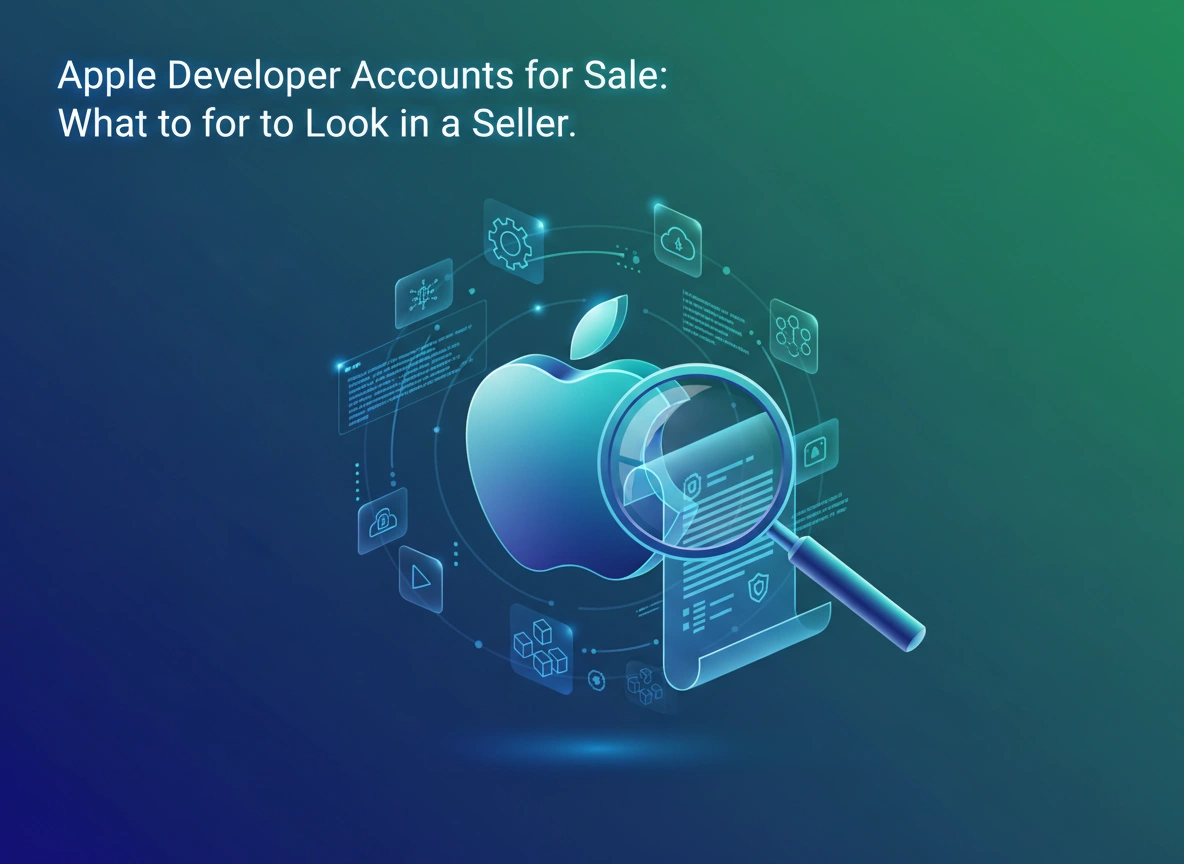
Navigating this secondary market requires extreme caution. The stakes are high; a bad purchase can lead to immediate bans, financial loss, and wasted development time. If you are considering purchasing a pre-existing account, knowing how to vet a seller is crucial. This guide explores the ecosystem of Apple Developer Accounts for sale and provides a detailed roadmap on what to look for in a seller to ensure a secure transaction.
The Role and Importance of Apple Developer Accounts
Before diving into the marketplace, it is essential to understand what you are buying. An Apple Developer Account is more than just a login; it is a verified identity within Apple’s ecosystem. It grants access to the App Store Connect, beta testing tools via TestFlight, and critical analytics.
For businesses, this account represents their public face on the App Store. It holds the reputation of the apps published under it. A clean, verified account is necessary to ensure that apps are reviewed quickly and remain live without flagging security protocols. The account type—whether individual or organizational—also dictates how the developer name appears to end-users, influencing trust and download rates.
Why Buy an Account Instead of Creating One?
Given that Apple allows anyone to sign up for an account for a standard annual fee (usually $99), why does a secondary market exist? Several legitimate business reasons drive this demand.
Instant Access and Verification
Apple’s verification process has become increasingly stringent. In some regions, verifying a business entity (requiring a D-U-N-S number) can take weeks or even months. Developers who need to launch an app immediately often cannot afford this wait time. Buying a pre-verified account allows them to bypass administrative delays and go to market instantly.
Older Accounts Have Better Reputation
There is a widely held belief in the developer community that older, “aged” accounts carry more weight with Apple’s review algorithms. Newer accounts are often scrutinized more heavily for spam or policy violations. An account that has been active for several years, perhaps with a history of successful app submissions, may experience smoother review processes.
Backup and redundancy
Large app publishing houses often maintain multiple Apple Developer Account for sale
to mitigate risk. If one account faces a suspension due to a policy misunderstanding, having other active accounts ensures their entire business portfolio doesn’t vanish overnight. Purchasing established accounts is a faster way to build this redundancy than creating fresh ones from scratch.
Evaluating a Seller: The Critical Checklist
When you decide to purchase an account, the seller determines the success or failure of the transaction. The market is flooded with scammers and low-quality accounts. Here are the specific factors you must evaluate before transferring any funds.
1. Verification and Account Legitimacy
The most important factor is the verification status of the account. A seller might promise a “ready-to-use” account, but if Apple has flagged it for suspicious activity, it is worthless.
- Proof of Identity: Ask how the account was verified. Was it verified with real, traceable documents? Accounts verified with stolen or fake identities are ticking time bombs.
- Region Specifics: Check the region of the account. An account registered in a high-risk region might face more scrutiny than one from the US, UK, or EU. Ensure the seller is transparent about the account’s origin.
- Device History: Sophisticated sellers know that Apple tracks device IDs. Ask if the account has been accessed from multiple different devices or IP addresses in short succession, which can trigger security flags.
2. Reputation and Credibility
In the digital goods market, reputation is currency. You should rarely buy from an anonymous individual on a forum with zero history.
- Reviews and Feedback: Look for sellers on established platforms that offer feedback systems. Read the negative reviews carefully—do they complain about accounts getting banned shortly after purchase?
- Escrow Services: A credible seller will often agree to use an escrow service. This means a third party holds your money until you have successfully logged in and secured the account. If a seller demands direct crypto transfer with no middleman, it is a major red flag.
- Age of the Seller’s Profile: Avoid sellers who created their profile yesterday. Look for vendors who have been operating for months or years.
3. Support and Guarantees
What happens if the account gets locked 24 hours after you buy it?
- Replacement Warranty: Top-tier sellers offer a warranty period (e.g., 7 to 30 days). If the account is disabled due to a pre-existing issue (like bad verification documents), they should replace it for free.
- After-Sales Support: Managing a purchased account requires specific hygiene protocols, such as using clean IP addresses and specific browser cookies. A good seller provides a guide on how to safely log in and maintain the account without triggering Apple’s security bots.
- Communication Style: engaging with the seller before buying. Are they knowledgeable? Do they speak professionally? Evasive or aggressive answers are warning signs.
4. Pricing Structure
Price is often a good indicator of quality.
- Too Good To Be True: If an account is selling for significantly less than the standard $99 registration fee, ask yourself why. Legitimate sellers need to cover the cost of the account plus their profit margin. Extremely cheap accounts are often created with stolen credit cards (carding) and will be banned once the chargeback hits.
- Premium for Age: Expect to pay a premium for older accounts (1+ years old). If an aged account is priced the same as a fresh one, be suspicious.
Risks and Challenges
Buying an Apple Developer Account is not risk-free. It violates Apple’s Terms of Service, which generally prohibit the transfer of accounts.
- Sudden Bans: Apple’s fraud detection is world-class. If they link the account to a known farm of sellers, they will terminate it. You lose your money and potentially any apps you uploaded.
- 2FA Nightmares: Apple accounts require Two-Factor Authentication. If the seller controls the phone number associated with the 2FA, they can lock you out or reclaim the account after you pay. You must ensure you can change the trusted phone number immediately.
- Hidden History: An account might look clean but could have previously published malware or scam apps that were removed. This “ghost history” remains associated with the account and can hurt your future apps.
Best Practices for a Safe Transaction
If you proceed with a purchase, follow these steps to protect your investment.
- Use a Virtual Machine (VM): Never log into a purchased account from your main computer or personal IP address initially. Use a fresh VPS (Virtual Private Server) or a clean browser profile with a dedicated proxy that matches the account’s region.
- Change Credentials Immediately: Once you have access, change the Apple ID password, the rescue email, and most importantly, the 2FA phone number. Do not mark the transaction as complete until you have full control.
- Warm Up the Account: Do not upload five apps the moment you get the login. Browse the developer portal, read documentation, and act like a human user. “Warming up” the account helps establish trust with Apple’s systems regarding your new device fingerprint.
- Start Small: Do not push your most critical, high-investment app to a bought account immediately. Test the waters with a smaller utility app to see if the account remains stable during the review process.
Conclusion
Purchasing an Apple Developer Account can be a strategic move for developers needing speed, redundancy, or specific regional access. However, it is a gray market activity fraught with risks ranging from financial scams to permanent bans.
The key to success lies in vetting the seller. Prioritize transparency, verification quality, and after-sales support over low prices. A cheap account is expensive if it gets banned in a week; a premium account from a reputable seller is an investment in stability. By conducting due diligence and adhering to strict security protocols during the handover, you can mitigate the risks and secure the platform you need to launch your applications.