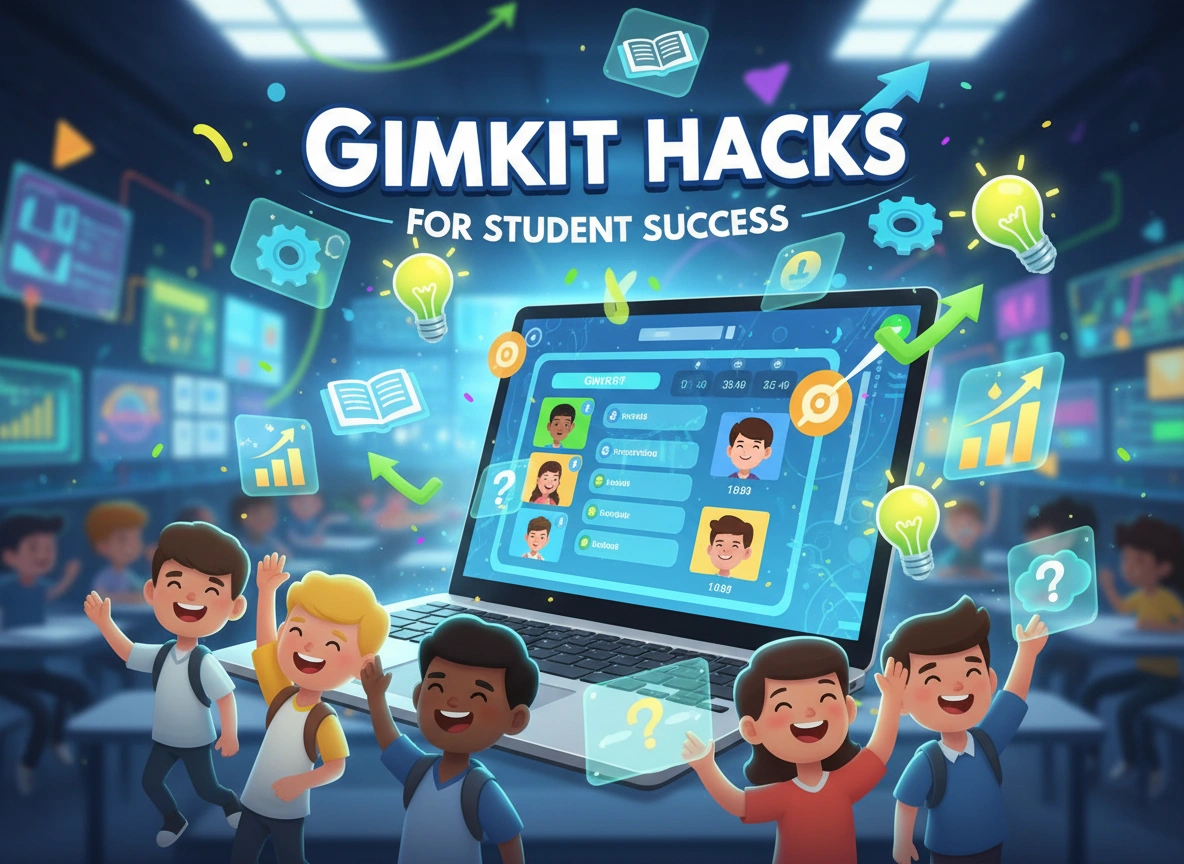
Gimkit has rapidly become a favorite tool for educators looking to inject energy and competition into their lessons. Its game-show format transforms standard review sessions into exciting challenges, capturing students’ attention in a way few other platforms can. While many teachers use its basic functions effectively, a deeper understanding of its features can unlock a new level of engagement and learning. This article explores powerful Gimkit “hacks”—not cheats, but clever strategies—to maximize its potential for student success. We will cover advanced features, creative teaching methods, and the ethical use of these techniques to foster a dynamic and effective learning environment.
Understanding Gimkit’s Core Features
Before diving into advanced strategies, it’s essential to have a solid grasp of Gimkit’s fundamental mechanics. Unlike traditional quiz tools, Gimkit integrates an in-game economy where students earn virtual currency for correct answers. This currency can be spent on upgrades and power-ups, adding a layer of strategy to the learning process.
Kits and Question Types
The foundation of any Gimkit experience is the “Kit,” which is simply a set of questions. You can create your own, import from platforms like Quizlet, or search a vast library of user-generated content. Gimkit supports multiple-choice questions and text input, allowing for a range of assessment styles. For a quick hack, use the “KitCollab” feature to have students contribute questions, which promotes ownership and deeper understanding of the material.
The In-Game Economy
This is where Gimkit truly shines. Students don’t just answer questions; they manage resources. Correct answers earn them money, which they can strategically invest. Should they buy an upgrade to earn more money per question? Or perhaps purchase a power-up to freeze a competitor’s screen? This decision-making process encourages critical thinking and risk assessment, skills that extend far beyond the classroom topic.
Game Modes
Gimkit offers various game modes, each with a unique twist. Classic mode is a free-for-all race to a target cash amount. Team Mode fosters collaboration as students pool their earnings. “The Floor is Lava” challenges the entire class to answer questions correctly to “stay above the lava.” Understanding the objective of each mode is key to aligning the game with your lesson goals.
Creative Teaching Methods Using Gimkit
Once you’ve mastered the basics, you can begin to implement more creative and impactful strategies. These “hacks” focus on leveraging Gimkit’s mechanics to achieve specific pedagogical outcomes.
Hack 1: The Pre-Assessment and Differentiated Review
Use Gimkit as a dynamic pre-assessment tool. Before starting a new unit, host a short game covering prerequisite concepts. The results will quickly show you which students have mastered the foundational knowledge and who might need extra support.
You can then use this data to differentiate instruction. Create a “review kit” focused on the most commonly missed questions from the pre-assessment. During a designated review day, you can run this kit while working with a small group of students who need more direct instruction. This ensures that everyone gets the support they need without slowing down the entire class.
Hack 2: The Collaborative Kit Creation Project
Turn content creation into a learning activity. Divide your class into groups and assign each group a sub-topic from your current unit. Their task is to create a well-researched Gimkit kit of 10-15 questions on their assigned topic.
This project-based approach achieves several goals:
- Deep Learning: Students must thoroughly understand the material to write good questions and plausible distractors.
- Collaboration: Working in teams encourages communication and shared responsibility.
- Ownership: Students are more engaged when playing games they helped create.
Once the kits are complete, you can spend a class period playing through each group’s creation. This serves as a comprehensive and highly engaging unit review.
Hack 3: Strategic Use of Game Modes for Different Skills
Don’t just stick to Classic mode. Align the game mode with the learning objective of the day.
- For Collaboration: Use Team Mode when you want students to work together. This is excellent for complex topics where students can benefit from discussing answers. Set it up so teams must communicate to decide on upgrade strategies.
- For High-Stakes Review: Use The Floor is Lava. In this mode, the entire class works together against the game itself. It creates a sense of shared purpose and urgency, perfect for a final review before an exam.
- For Independent Practice: Use Assignments. Gimkit allows you to assign kits as homework with a specific proficiency goal. Students work at their own pace until they master the material, ensuring they achieve a baseline level of understanding.
Ethical Considerations: Hacks vs. Cheats
The term “hack” can sometimes carry a negative connotation. In this context, we are referring to clever strategies that enhance the intended use of the platform. It’s crucial to distinguish these from cheats or exploits that undermine the learning process.
Some students may search for “Gimkit hacks” online, hoping to find code or bots that answer questions automatically. It’s important to have a conversation with your students about academic integrity. Frame Gimkit not just as a game to be “won” but as a tool for learning.
Fostering a Healthy Competitive Environment
Gimkit’s competitive nature is one of its biggest draws, but it can also be a source of anxiety for some students. Here are a few ways to ensure the environment remains positive and inclusive:
- Emphasize Growth Over Winning: Celebrate improvement. Acknowledge students who increased their score from a previous game, not just the student who finished first.
- Use Team Mode Frequently: This shifts the focus from individual competition to group collaboration, reducing pressure on individual students.
- Allow Anonymous Names: Let students use nicknames (school-appropriate, of course). This can help shy students feel more comfortable participating.
The goal is to use the game’s mechanics to motivate, not to discourage. By focusing on strategy, collaboration, and personal growth, you can harness Gimkit’s power for positive educational outcomes.
Conclusion: Maximizing Gimkit for Lasting Impact
Gimkit is more than just a flashy quiz tool; it is a versatile platform that can be adapted to a wide range of educational goals. By moving beyond its basic functions, educators can create deeply engaging and effective learning experiences.
The true “hacks” for Gimkit are not about finding shortcuts to win. They are about strategically using its features to foster collaboration, differentiate instruction, and promote deeper thinking. Start by using it for pre-assessments to gather data, turn kit creation into a project-based learning activity, and carefully select game modes that align with your lesson’s objectives.
Most importantly, cultivate a classroom culture where the focus is on learning and growth. When students understand that Gimkit is a tool to help them master material in a fun way, its potential for boosting student success becomes limitless.
Please click here for more info