For years, I treated every weight loss “miracle” with a heavy dose of suspicion. I had tried diets that promised the world and delivered nothing but frustration. So when GLP-1 medications started dominating headlines and conversations, my first reaction was a tired eye-roll. Another trend, I thought. Another way to sell hope to people who had already tried everything.
This is the story of how I went from that skeptic to someone who genuinely believes in what these treatments can offer. It wasn’t a straight line, and it certainly wasn’t without bumps. But the journey changed how I see my health, my body, and my future.
The Weight of Doubt
My skepticism didn’t come from nowhere. I had spent the better part of a decade fighting my weight. Low-carb, low-fat, intermittent fasting, intense workout programs—I had cycled through them all. Each one worked for a while, then quietly stopped working. The weight always found its way back, sometimes bringing friends.
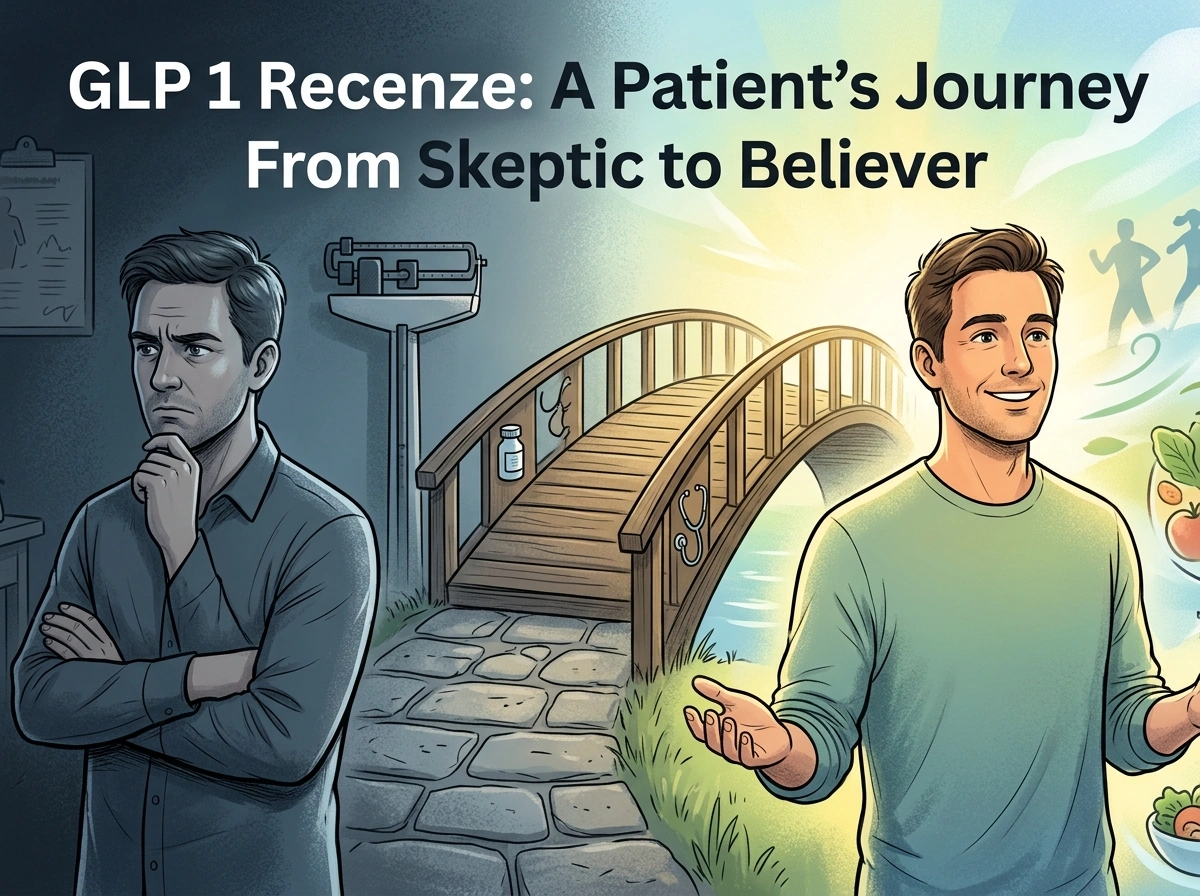
When my doctor first mentioned GLP-1 therapy, I crossed my arms. My head filled with questions and concerns. Wasn’t this just a shortcut? What happens when you stop taking it? And those side effects I kept hearing about—the nausea, the stomach issues—did I really want to sign up for that?
I worried about cost. I worried about being dependent on a medication. Most of all, I worried about getting my hopes up again only to be let down. After so many disappointments, hope had started to feel dangerous.
Doing My Homework
Before making any decision, I needed to understand what I was actually considering. I didn’t want marketing language or social media hype. I wanted real information from real people.
I spent weeks reading. I dug into how GLP-1 medications work—how they mimic a hormone your body already produces to regulate appetite and blood sugar. I learned that these weren’t designed as quick fixes but as tools that work alongside lifestyle changes. That distinction mattered to me.
Patient stories made the biggest difference. Reading honest accounts on resources like glp 1 recenze helped me see the full picture, not just the polished before-and-after photos. People shared their struggles with side effects, their plateaus, and their wins. The honesty was refreshing. For the first time, I felt like I was getting the truth instead of a sales pitch.
Making the Decision
After my research and several honest conversations with my doctor, I decided to try it. I won’t pretend I felt confident. I felt cautiously willing, which was the most optimism I could muster.
My doctor walked me through realistic expectations. This wasn’t about dropping weight overnight. It was about giving my body support it had been missing while I worked on sustainable habits. We talked about starting at a low dose and increasing slowly to help my body adjust. We made a plan for monitoring how I responded.
Having a clear plan eased some of my fears. I wasn’t jumping off a cliff. I was taking a measured step with professional guidance behind me.
The Rocky Early Days
The first few weeks tested my resolve. The side effects everyone warned about? They were real. I dealt with nausea, especially after eating too much or eating the wrong foods. My stomach felt unsettled, and my appetite dropped so dramatically that I sometimes forgot to eat.
There were moments I wanted to quit. One particularly rough evening, I sat on my kitchen floor questioning whether I had made a mistake. The skeptic in me whispered, “I told you so.”
But I had learned something important from all that research. These early side effects often fade as your body adjusts. So I made small changes. I ate smaller portions. I cut back on greasy and heavy foods. I drank more water. Slowly, the worst of it began to settle.
That period taught me patience. Real change rarely feels comfortable at the start.
The Turning Point
About six weeks in, something shifted. The constant background noise of food cravings—the mental chatter that had ruled my life for years—grew quiet. For the first time I could remember, I wasn’t thinking about my next meal all day long.
This was the moment my skepticism started to crack. I had assumed willpower was my problem. I had blamed myself for every failed diet. But now I understood that I had been fighting my own biology with one hand tied behind my back. The medication wasn’t doing the work for me; it was leveling a playing field that had never been fair.
The scale started moving too. Not dramatically, but steadily. A pound here, two pounds there. More importantly, I felt different. I had more energy. My clothes fit better. I started enjoying movement again because it no longer felt like punishment.
Becoming a Believer
The transformation went deeper than numbers. As the months passed, I built habits that finally stuck. I cooked more. I walked daily. I slept better. These weren’t things the medication forced on me—they were choices I could finally make because the constant battle in my brain had calmed.
My energy returned in ways I had forgotten were possible. I played with my kids without getting winded. I said yes to plans I would have avoided before. My confidence grew alongside my health.
When I went back for my checkups, the improvements weren’t just visible—they showed up in my bloodwork too. My doctor was pleased, and honestly, so was I. The skeptic who had crossed her arms in that office felt like a different person.
Long-Term Reflections
I want to be honest about what this journey actually means. GLP-1 therapy isn’t magic, and it isn’t right for everyone. It works best as part of a bigger picture that includes good food, movement, sleep, and ongoing medical support. Anyone who tells you otherwise isn’t being straight with you.
I also think about the future. Conversations with my doctor about long-term plans continue, and I appreciate that we’re approaching this thoughtfully rather than treating it as a permanent crutch or a temporary trick.
What changed most wasn’t my weight—it was my relationship with my own body. I stopped blaming myself for things that were never fully in my control. I learned to be kinder to myself. I learned that asking for help, including medical help, isn’t weakness. It’s wisdom.
If you’re standing where I once stood, arms crossed and doubtful, I understand completely. Skepticism kept me safe from a lot of empty promises over the years. But I’d encourage you to do what I did: gather real information, talk honestly with your doctor, and read genuine patient experiences before deciding anything.
My journey from skeptic to believer wasn’t about finding a shortcut. It was about finding the right tool, used the right way, with the right support. And that has made all the difference.